

Why concrete is making its mark in lighting design
, by Sovala, 1 min reading time
, by Sovala, 1 min reading time
Concrete has established itself as the leading material in lighting decor. We'll explain why and how to incorporate it into your home.
Ten years ago, concrete was still reserved for structural work. Today, it's making its way into the most refined interiors in the form of pendant lights and wall sconces. How can we explain this rise in popularity?
Concrete adds character without using color or ornamentation: its minimalist texture alone is enough to give depth to a room, which explains its success in minimalist interiors.
The Electra Black Concrete Pendant Light perfectly illustrates this sleek and raw line that has made industrial style famous, without requiring a complete apartment renovation to integrate it.

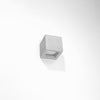
Contrary to popular belief, concrete is not limited to industrial lofts. The Concrete Cube Wall Sconce integrates just as well into a minimalist Scandinavian interior or a contemporary living room, as long as the other elements remain understated.
Concrete does not fade and withstands time well, unlike some metallic finishes that can oxidize. It's a decor investment that lasts through the years without going out of style.
A single concrete piece per room is usually enough to create the desired effect. Pair it with light wood or black metal to balance the mineral and cold aspect of concrete.
Is concrete suitable for all rooms?
It is particularly well suited for the living room, kitchen, and office, for a strong industrial ambiance.
Is a concrete light fixture fragile?
No, once hardened, concrete is resistant to minor everyday shocks. The main thing is to check the mounting point due to its weight.
How do I clean a concrete light fixture?
Simple regular dusting is sufficient; it requires no special treatment.
Raw, durable, and versatile, concrete has all the qualities of a material that lasts over time. Discover the entire Sovala Concrete collection.


